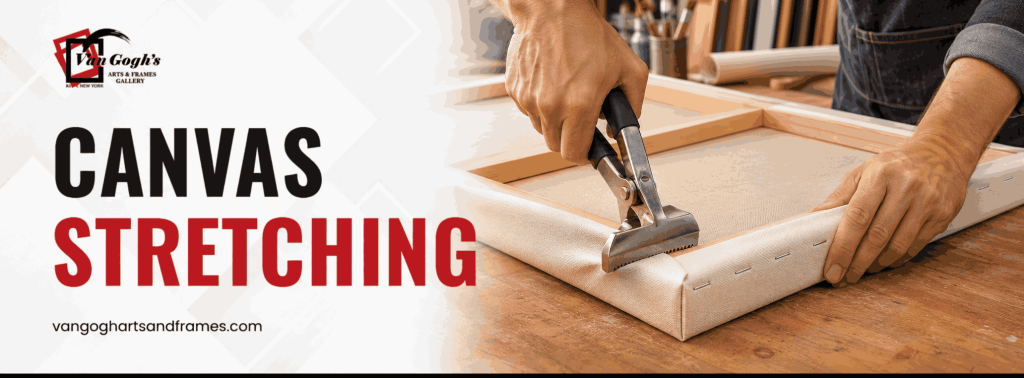
Canvas stretching plays an important role in preserving artwork, maintaining its shape, and creating a professional presentation. However, choosing the right frame is just as important as selecting the canvas material itself. A suitable frame provides structural support, prevents sagging, and helps the artwork maintain its appearance over time.
Whether you are stretching an original painting, a printed canvas, or a decorative artwork, the frame you select can influence its durability and overall finish. Understanding different frame materials, sizes, depths, and construction styles helps you make an informed decision and achieve a beautifully stretched canvas.
Understand the Purpose of a Canvas Stretching Frame
Before selecting a frame, understand what it needs to accomplish. A canvas stretching frame, commonly called a stretcher frame or stretcher bar frame, provides the internal structure that holds the canvas tightly.
The primary purpose of this frame is to maintain consistent canvas tension. It prevents the fabric from becoming loose, wrinkled, or uneven. Moreover, a well-constructed frame helps protect the artwork against physical distortion.
Consider the following factors when evaluating a frame:
- Structural stability: The frame should remain firm under canvas tension.
- Durability: It should resist warping, bending, and environmental changes.
- Proper alignment: All four sides should create a symmetrical structure.
- Canvas compatibility: The frame should accommodate the canvas thickness and dimensions.
A frame that meets these requirements provides a reliable foundation for canvas stretching.
Choose the Right Frame Material
The material used for a stretcher frame directly affects its strength, durability, and long-term performance. Wood and aluminium are two commonly used materials.
Wooden Stretcher Frames
Wooden frames are popular because they offer excellent structural support and are relatively easy to assemble. Kiln-dried wood is generally preferred because it contains less moisture and is less likely to warp.
When choosing wooden frames, consider:
- The quality and density of the wood.
- Moisture content and drying process.
- Smooth and properly finished surfaces.
- Resistance to bending and twisting.
Wooden stretcher bars are suitable for traditional paintings, canvas prints, and decorative artwork.
Aluminium Stretcher Frames
Aluminium stretcher frames offer another option, particularly when dimensional stability is important. They are lightweight, resistant to moisture-related warping, and suitable for certain large-format applications.
They can also provide a clean, contemporary finish. However, compatibility with the canvas stretching system and available hardware should be checked before purchasing. Your choice should depend on the artwork’s size, intended display environment, and required structural support.
Select the Correct Frame Dimensions
Frame dimensions are among the most important considerations during canvas stretching. A frame that is too small or too large can create unnecessary stretching problems. First, measure the canvas carefully. Consider both the visible artwork area and the additional material required to wrap around the stretcher bars.
For example, if you have a canvas measuring 24 × 36 inches, you need to account for the canvas material required around the frame edges. The stretcher frame itself should match the intended finished artwork dimensions.
Keep these points in mind:
- Measure the canvas before purchasing stretcher bars.
- Check the internal and external dimensions.
- Allow sufficient canvas material for wrapping and stapling.
- Ensure opposite sides have matching measurements.
- Check the frame’s squareness before stretching.
Accurate measurements help prevent uneven tension and unnecessary material wastage.
Consider the Depth of the Stretcher Frame
Frame depth determines how far the canvas extends from the wall. It also influences the overall appearance of the finished artwork.
Generally, stretcher frames are available in standard and deep-profile options.
Standard-Depth Frames
Standard-depth frames at the photo frame shop Bangalore are suitable for traditional canvas paintings and artwork intended for conventional framing. They offer a relatively slim profile and work well when the canvas will be displayed inside an additional decorative frame.

Deep-Profile Frames
Deep-profile frames create a more substantial appearance. They are particularly suitable for contemporary canvas prints and gallery-style displays. Deep frames allow artwork to be displayed without an additional external frame. However, ensure that the canvas has enough material to wrap around the sides.
Choose the depth according to your preferred presentation style and available canvas material.
Check the Frame’s Construction and Joinery
A stretcher frame must withstand the pulling force created when canvas fabric is stretched. Therefore, its construction quality deserves careful attention. Look for properly connected corners and accurately cut stretcher bars. Weak joints can separate under tension, affecting the canvas’s alignment.
For larger artworks, additional structural support may be necessary.
Consider these construction features:
- Strong and secure corner joints.
- Straight stretcher bars without visible twisting.
- Properly aligned connecting sections.
- Suitable cross-bracing for larger frames.
- Consistent dimensions across all sides.
Some wooden stretcher frames also feature adjustable corner keys. These allow minor tension adjustments when the canvas becomes loose over time.
However, adjustments should be made carefully to avoid excessive tension or damage to the artwork.
Consider the Size and Weight of Your Artwork
The dimensions and weight of your artwork influence the type of stretcher frame required. Small canvas paintings generally require less structural reinforcement. Larger canvases, however, experience greater tension across their surfaces.
For oversized artwork, additional support bars can help reduce bending and maintain structural stability.
Before selecting wooden photo frames, consider:
- Overall canvas dimensions.
- Canvas material and thickness.
- Weight of the finished artwork.
- Intended hanging position.
- Expected display duration.
For particularly large canvases, a frame with central crossbars or additional reinforcement may provide better support.
Avoid assuming that thicker frames are always better. The frame should offer sufficient strength without unnecessarily increasing the artwork’s weight.
Think About the Canvas Material
Not every canvas material behaves in the same way during stretching. Cotton canvas, linen canvas, and synthetic canvas fabrics have different characteristics.
- Cotton Canvas: Cotton is widely used because it is flexible and relatively easy to stretch. It works well with many standard wooden stretcher frames.
- Linen Canvas: Linen offers a refined surface and is frequently used for professional paintings. Its stretching requirements may differ depending on its weave and weight.
- Polyester and Synthetic Canvas: Synthetic fabrics can offer dimensional stability and resistance to certain environmental changes. However, their flexibility and stretching characteristics vary by product.
Always consider the fabric’s thickness, flexibility, and stretching recommendations before selecting stretcher bars.
The right combination helps achieve a smooth surface without unnecessary stress on the canvas.
Avoid Common Mistakes When Choosing a Frame
Even a good-quality canvas can develop problems when stretched over an unsuitable frame. Avoiding common selection mistakes helps protect your artwork.
Some mistakes include:
- Choosing frames without checking accurate measurements.
- Ignoring the quality of wooden stretcher bars.
- Using insufficient support for oversized canvases.
- Selecting a frame that is too deep for the available canvas material.
- Ignoring corner alignment and structural stability.
- Applying excessive tension during stretching.
Another common mistake is selecting a frame based only on price. A poorly constructed stretcher frame may require replacement sooner, increasing overall costs.
Prioritise material quality, accurate sizing, and structural strength when making your selection.
Match the Frame with Your Display Requirements
Your intended display style should also influence your frame selection. If you want a traditional presentation, standard-depth stretcher bars combined with an external decorative frame may work well. For contemporary interiors, deep-profile stretcher frames can create a modern gallery-style appearance.
Also consider where the artwork will be displayed. Temperature fluctuations, humidity, and direct sunlight can affect canvas materials and wooden components. Choose suitable materials and maintain stable indoor conditions wherever possible. Proper installation and hanging hardware also help keep the artwork secure.
Final Words
Choosing the right frame for canvas stretching requires careful consideration of material quality, dimensions, depth, construction, and artwork requirements. A suitable stretcher frame maintains canvas tension, supports the artwork, and contributes to its long-term presentation. Whether you are working with a small painting or a large canvas print, prioritising structural stability and accurate measurements can make a significant difference.
For quality framing solutions, professional craftsmanship, and artwork presentation requirements, explore Vangogh Arts & Frames. The right framing choice can help transform your canvas into a beautifully finished piece that complements your space while preserving its artistic appeal.
FAQs
1. What is the best material for a canvas stretching frame?
Wood is a popular choice for canvas stretching because it offers reliable structural support and is easy to assemble. Kiln-dried wood is generally preferred because it is less likely to warp. Aluminium is another option when dimensional stability and moisture resistance are priorities.
2. How do I choose the correct size for a canvas stretching frame?
Measure the intended finished artwork dimensions carefully. Ensure the stretcher frame matches the required canvas size, and that sufficient fabric remains around the edges for wrapping and stapling. Accurate measurements help achieve even tension and prevent wrinkles.
3. What is the difference between standard and deep stretcher frames?
Standard stretcher frames have a slimmer profile and are commonly used with traditional external frames. Deep stretcher frames provide a thicker, more prominent appearance and are suitable for modern gallery-style canvas displays without additional decorative framing.
4. Do large canvas paintings require additional frame support?
Yes. Large canvas paintings may require central crossbars or additional reinforcement to prevent the stretcher frame from bending under canvas tension. The amount of support depends on the artwork’s dimensions, weight, and frame material.
5. How can I prevent canvas from sagging after stretching?
Choose a sturdy, properly constructed stretcher frame and apply even tension during stretching. Avoid excessive tightening, as it can damage the canvas or joints. Maintaining stable indoor temperature and humidity conditions can also help minimise sagging over time.