A great photograph captures a moment, but the right frame helps preserve and present that moment properly. When photographs are placed behind ordinary glass, reflections from windows, lamps, and room lighting can cover important details. This can make colours appear less clear and the image harder to enjoy. Non reflective glass for photography is designed to reduce these distractions and improve the viewing experience.
By allowing more of the photograph to remain visible, it can make the image appear clearer, sharper, and closer to how it was originally intended to look. But does it really make photographs look more natural? The answer depends on the type of glass, the lighting, and the quality of the framing.
What Is Non-Reflective Glass for Photography?
Non-reflective glass by the picture frame shop is designed to reduce the amount of glare and reflection seen on the surface of framed artwork or photographs. Regular glass can reflect surrounding light, which may create bright spots or mirror-like images over the photograph. There are different types of non-reflective glass.
Some use a matte or etched surface to scatter reflected light, while anti-reflective glass uses special coatings to reduce reflections while maintaining transparency. These options are not the same, so choosing the right type is important. Anti-reflective coatings are particularly useful when image clarity is the priority because they reduce reflections without relying mainly on surface diffusion.
How Does It Make Photographs Look More Natural?
The main benefit is simple: you see more of the photograph and less of the glass. When reflections cover a photograph, your eyes have to work around them. A dark area in the image may appear washed out because it is reflecting a nearby lamp. A person’s face may be partially hidden by a window reflection. Bright colours can also lose some of their visual impact.
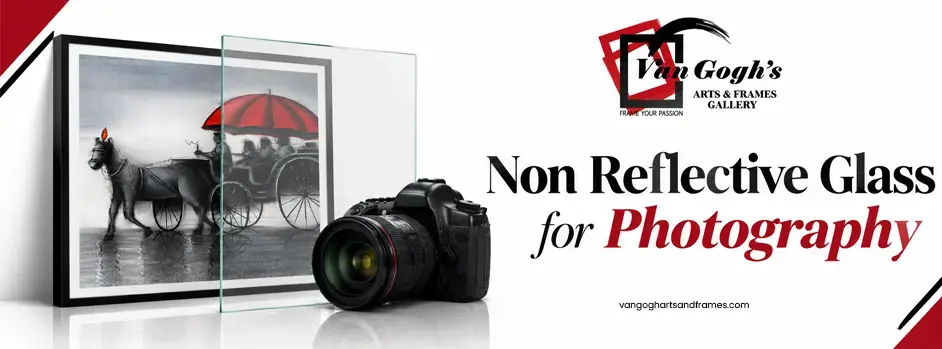
Non-reflective glazing reduces these interruptions. This can make the photograph feel more open and natural because the viewer can concentrate on the original image rather than the surface protecting it. In other words, the glass becomes less noticeable.
Better Colour Visibility
Colour is one of the most important parts of photography. Whether you are displaying a wedding photograph, landscape, family portrait, travel photograph, or fine-art print, you want the original colours to remain visible. Reflections can interfere with colour perception. For example, a strong white reflection across a framed photograph can make a section of the image look lighter than it really is.
High-quality Non Reflective Glass for Photography allows more light to pass through and reduces distracting reflections. This can help viewers see colours and tonal differences more clearly. Professional framing sources also note that anti-reflective glazing can help maintain the visual integrity of photographs and artwork.
More Details Remain Visible
Photography often depends on small details. Think about a landscape photograph with fine leaves in the distance, a portrait with subtle skin tones, or an architectural image containing detailed textures. Reflections can hide these smaller elements. When glare is reduced, these details become easier to see.
This is especially helpful for photographs with darker backgrounds or deep shadows. Reflections tend to become more noticeable on dark images, which can make ordinary glass particularly distracting. With suitable non-reflective glass, viewers can spend more time looking at the photograph itself instead of trying to find an angle where the reflection disappears.
Does It Actually Improve the Photograph?
There is an important distinction here. Non-reflective glass does not change the original photograph. It does not improve the camera’s exposure, add detail to the digital file, or correct poor editing. Instead, it improves how the photograph is viewed after printing and framing.
This distinction matters. A photograph that was poorly exposed will not suddenly become professionally exposed because it is placed behind anti-reflective glass. However, a well-produced photograph may look much better because the glazing no longer interferes with its presentation. Think of it as removing an obstacle rather than changing the artwork.
Non-Glare and Anti-Reflective Glass Are Not Always the Same
The terms “non-reflective,” “non-glare,” and “anti-reflective” are sometimes used interchangeably, but the technologies can be different. Non-glare glass commonly uses a textured or etched surface to scatter reflected light. This can reduce obvious reflections, but the scattering may introduce some haze or softness.
Anti-reflective glass, on the other hand, uses coatings designed to reduce the reflection itself. This can provide higher transparency and clearer viewing.
When you buy painting frames online for photography where sharpness and fine details matter, anti-reflective coated glass can be a strong option. Some conservation guidance specifically distinguishes coated glazing from standard etched non-glare glass because coated products can reduce glare while maintaining transparency.
Why Lighting Still Matters?
Even the best non-reflective glass cannot completely overcome poor lighting.
If a framed photograph is placed directly opposite a large window or a bright light source, some reflection may still be visible. Good framing placement can therefore make a noticeable difference.
Consider these simple tips:
- Avoid placing framed photographs directly opposite bright windows.
- Keep strong lights away from the viewer’s direct line of sight.
- Use suitable room lighting around framed photographs.
- Clean the glass regularly with appropriate materials.
- Choose high-quality anti-reflective glazing for valuable or frequently viewed photographs.
The goal is to create an environment where the photograph can be viewed comfortably from different angles.
It Can Make Framed Photography Feel More Like an Original Print
One of the biggest advantages of high-quality non-reflective glass is the feeling that there is almost nothing between you and the photograph. With ordinary glass, you may immediately notice the shiny surface. With premium anti-reflective glazing, the surface becomes much less visually dominant.
This is particularly useful for fine-art photography. When an artist has carefully worked on composition, colour, shadows, and texture, the framing should not distract from those choices. A low-reflection surface allows the viewer to experience more of the photographer’s original presentation.
UV Protection Can Add Another Advantage
Some non-reflective glazing options also provide UV protection. This can be valuable for photographs because prolonged exposure to ultraviolet radiation can contribute to fading and deterioration. However, not every non-reflective glass product automatically provides the same level of UV protection. If preservation is important, check the product specifications instead of assuming that all non-reflective glass offers equivalent protection.
For valuable photographs, choosing glazing that combines reflection control and UV protection can provide both better presentation and additional protection.
When Should You Choose Non-Reflective Glass for Photography?
Non-reflective glazing can be especially useful when:
- You are framing professional photographs.
- The photograph will be displayed in a brightly lit room.
- Your frame will be placed near windows.
- You are displaying wedding or family photographs.
- You want to showcase fine-art photography.
- The photograph contains dark tones that easily show reflections.
- You want a premium gallery-style appearance.
- Long-term protection of the photograph is important.
For inexpensive photographs displayed in low-light areas, regular glass may still be perfectly practical. The choice ultimately depends on the value of the photograph, viewing conditions, budget, and desired presentation.
Bottom Line
So, can non reflective glass for photography make images look more natural? Yes, particularly when the glass is designed to reduce reflections while maintaining high clarity. It does not alter the photograph itself, but it can remove visual distractions that prevent viewers from seeing the photograph as clearly as possible.
If you are looking for quality framing and glazing options for your photographs, Vangogh Arts & Frames can be a useful place to explore. Our framing solutions and non-reflective glass options are designed to improve the presentation of artwork and photographs while helping reduce distracting glare. Explore our services to find a framing solution suited to your photograph and display space.